Transform Your Space: Cutting-Edge Rooflight Ideas for Contemporary Living Spaces
Innovative rooflight designs are transforming modern homes by maximizing natural illumination and elevating the overall atmosphere. Residents are progressively acknowledging the value of adding rooflights to their living environments. These installations not only improve architectural beauty but also promote energy efficiency and personal wellness. Nevertheless, gaining knowledge of the different varieties and their suitability for various architectural styles is crucial. What key aspects should be examined when determining the most suitable rooflight for an individual residence?
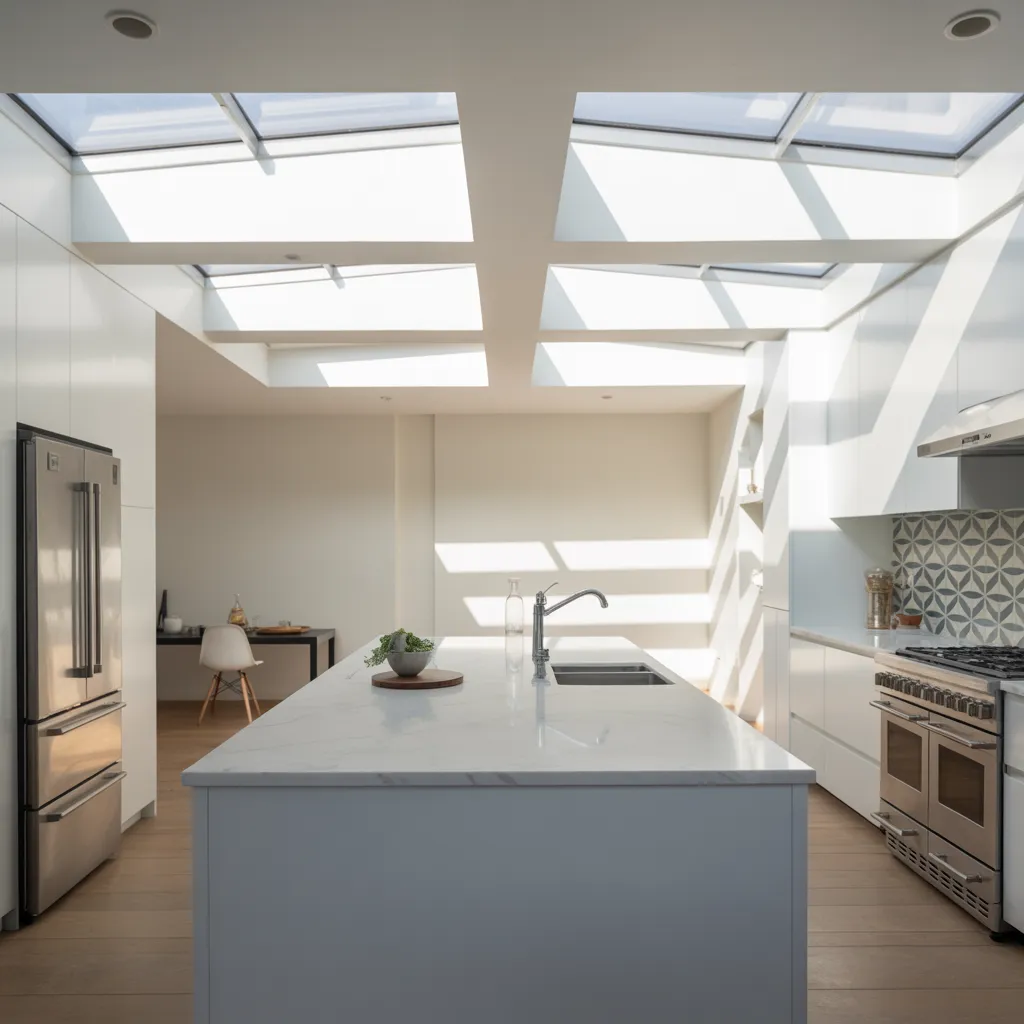
Ways Rooflights Enhance Natural Light in Your Home
As many homeowners explore options to upgrade their living areas, few solutions rival the impact of rooflights in enhancing natural light. These architectural features allow sunlight to flood interiors, creating a bright and inviting atmosphere. By strategically placing rooflights, homeowners can maximize natural illumination, decreasing dependence on electric lighting during daytime hours.
The design flexibility of rooflights also contributes greatly to their functional value. Whether installed in flat roofs or sloped structures, they can be adapted to meet various aesthetic preferences and functional needs. Furthermore, rooflights can strengthen the visual relationship between inside and outside environments, creating a greater sense of space within the home.
In today's homes, energy efficiency is growing in significance, and rooflights help by making use of natural light to produce warmth and ambiance. Altogether, the incorporation of rooflights reflects a refined method of maximizing natural light in residential settings.
Key Benefits of Installing Rooflights
The installation of rooflights provides numerous benefits that can greatly elevate both the usability and appearance of a home. Among the most notable advantages is the presentation dramatic improvement in natural illumination, which can make spaces feel larger and more inviting. This influx of daylight can also improve mood and productivity, creating a more positive home atmosphere.
In addition, rooflights may boost air circulation, permitting warm air to dissipate and promoting a considerably more comfortable indoor living environment. Energy efficiency is another key benefit; by minimising the need for electric lighting during the day, residents can decrease monthly energy costs.
Additionally, rooflights are able to create a stunning structural highlight, elevating the aesthetic quality of both interior and exterior spaces. They are also able to increase property value, as prospective buyers tend to look for properties that feature unique design characteristics. Overall, adding rooflights can significantly transform a home by blending functional advantages with visual enhancements.

Kinds of Rooflights to Think About
When examining the numerous types of rooflights available, homeowners can select from a variety of designs that suit different needs and preferences. Fixed rooflights remain a widely chosen solution, allowing ample natural light without the ability to open, making them ideal for areas where ventilation is not a priority. In contrast, vented rooflights provide the flexibility of opening, enhancing airflow and lowering indoor humidity. Skylights, often larger and more dramatic, can serve as focal points while permitting a significant amount of light. Tubular rooflights, intended for smaller spaces, guide sunlight through reflective tubes, making them an efficient choice for dark areas. For those desiring a modern touch, flat glass rooflights feature sleek lines and a minimalist design, fitting naturally with contemporary architecture. All variations bring individual strengths, enabling homeowners to identify the best option that matches their specific preferences and functional requirements.
Important Elements to Assess When Picking Rooflights
Choosing the most suitable rooflights for a home requires thorough evaluation of a number of key factors. To begin with, the size and placement of the rooflight should correspond to the room's proportions to optimize natural light without flooding the space. Next, energy efficiency is an important consideration; selecting double or triple glazing options can assist in maintaining comfortable indoor temperatures while reducing energy costs.
Moreover, the kind of glass is essential; low-E glazing can reduce heat loss and minimize UV penetration. The skylight's style should additionally suit the overall architectural style, maintaining aesthetic harmony.
Additionally, local building regulations and planning permissions should be carefully examined to minimize the risk of complications. Lastly, upkeep needs and installation procedures should be assessed, as they can impact long-term performance and durability. Through careful assessment of these considerations, property owners are able to reach well-informed conclusions that improve both aesthetic appeal and practicality.
The Role of Rooflights in Complementing Different Architectural Styles
Rooflights can significantly improve the visual charm of diverse architectural styles, naturally merging functionality with design. In present-day homes, streamlined, minimalist rooflights can establish a bright, spacious feel, letting natural light fill interior spaces. Period properties gain from decoratively detailed rooflight designs, which can highlight period features while delivering contemporary advantages.
In the context of industrial architecture, oversized, frameless rooflights can complement raw materials like exposed brick and steel, elevating the character of the space whilst preserving a feeling of openness. Meanwhile, within environmentally conscious homes, strategically placed rooflights maximise the flow of daylight, decreasing the need for artificial lighting and promoting sustainability.
Regardless of whether the style is classic, modern, or eclectic, rooflights serve as a versatile design element. They not only enhance the visual appeal but also improve energy efficiency, ultimately enriching the homeowner's experience. By carefully incorporating rooflights, architects can unite design and utility, creating inviting spaces that resonate with their unique architectural identity.
Maintenance Tips for Long-Lasting Rooflight Performance
To guarantee peak performance and longevity of rooflight systems, a proactive upkeep routine is crucial. Routine cleaning, periodic examination of seals, and thorough assessment of the frame's integrity are essential measures. By implementing these practices, property owners can improve the longevity and performance of their rooflight systems.
Routine Cleaning Schedule
Creating a consistent cleaning schedule is vital for ensuring the performance and longevity of rooflights. Environmental pollutants, dust, and debris can accumulate on the glass, reducing energy efficiency and obstructing light. A consistent monthly cleaning routine is beneficial, especially in locations with elevated pollen or dust levels. Utilising a soft cloth with a mild, non-abrasive cleaning solution confirms that the glass is kept clean and free from damage. It is also essential to assess the adjacent frame and drainage pathways during cleaning, making sure they remain clear of blockages that may cause water buildup. By committing to this schedule, householders can boost both the appearance and functionality of their rooflights, consequently increasing their durability and performance.
Check Seals Regularly
Routine cleaning supports the comprehensive care of rooflights, but checking seals regularly is equally critical for maintaining their lifespan and functionality. With time, external elements can wear down seals, causing leaks and decreased energy performance. Homeowners should schedule regular inspections, optimally every six months, to identify any signs of wear or damage. This involves looking for cracks, gaps, or discoloration within the seals, which could signal the requirement for repairs or replacements. Effective sealing not only blocks water entry but also boosts thermal performance, reducing energy expenses. By emphasizing regular seal inspections, homeowners can secure their investment in rooflights and sustain a comfortable, dry home interior, thereby prolonging the life of these contemporary architectural elements.
Inspect Frame Condition
Examining the state of the rooflight frame is vital for preserving optimal performance. Periodic assessments can detect signs of wear, such as cracks, warping, or corrosion, which may compromise the rooflight's efficiency and aesthetics. It is beneficial to clean the frame periodically to eliminate debris and avoid moisture buildup, which can result in further degradation. Moreover, making sure that the frame is firmly fixed will help maintain its structural soundness. Homeowners should also check for any gaps between the frame and surrounding materials, as these can result in air leaks and energy loss. By following these upkeep guidelines, one can extend the lifespan of rooflight installations and ensure they continue to deliver optimal light and airflow.
Questions We Often Receive
Are Rooflights Able to Help Lower Energy Bills in My Home?
Rooflights are highly effective at reducing energy costs by optimizing the use of natural light, minimizing reliance on artificial lighting and promoting passive solar heating. This contributes to reduced electricity bills and a more sustainable home environment.
Are Rooflights Suitable for All Climates and Weather Conditions?
Rooflights are typically appropriate for a range of climates, but their efficiency may fluctuate. Under extreme weather conditions, appropriate insulation and suitable materials are necessary. Local weather conditions should be considered to guarantee durability and energy efficiency throughout the year.
What Are the Best Ways to Ensure Privacy With Rooflight Installations?
To ensure discretion during rooflight installations, one can use obscured or tinted glass panels, carefully place the rooflights out of visible sight lines, and incorporate window treatments including screening or blinds to maintain discretion while retaining daylight.
What Are the Top Materials for Rooflight Frames?
Aluminum, wood, and PVC are widely recognized as the finest materials for rooflight frames. Aluminum offers durability and low maintenance, wood provides aesthetic warmth, while PVC stands out as a lightweight and weather-resistant option, ensuring each material serves as a practical choice for different needs.
Can I Fit Rooflights Myself, or Should I Employ a Professional?
While some individuals may choose to install rooflights themselves, enlisting the help of a professional is frequently recommended. Expertise guarantees proper installation and adherence to safety standards, consequently reducing the risk of complications and maximising the durability of the rooflight.